
















Introduction
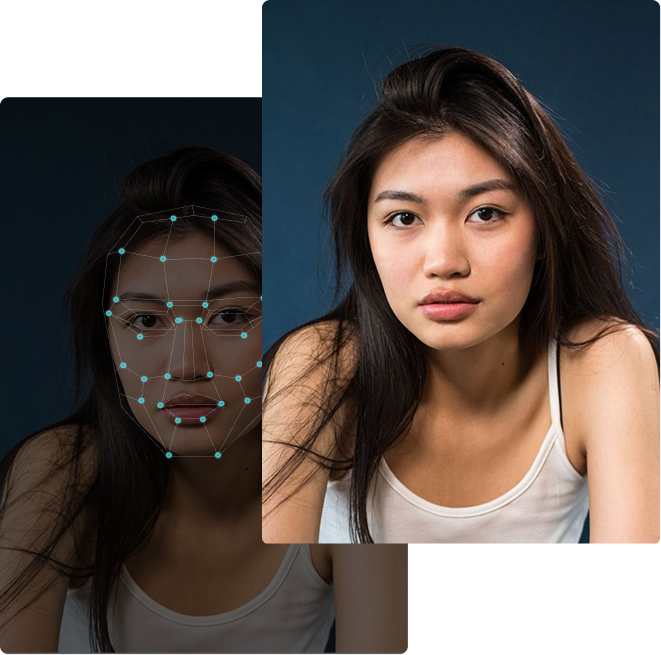
Deepfakes are no longer just technological curiosities, they’re reshaping how people experience trust, safety, and even their own identities. As synthetic media spreads, its psychological and societal consequences are becoming impossible to ignore. This article explores how deepfakes inflict emotional harm, erode public confidence, and challenge the very foundations of digital trust.
Key Takeaways
- Deepfakes can cause severe psychological harm, including anxiety, PTSD, and loss of personal agency for victims.
- 98% of deepfakes online are pornographic and primarily target women, making this a large-scale gender-based abuse issue.
- Societal trust is eroding as deepfakes fuel disinformation and create the “liar’s dividend,” where even real evidence is doubted.
- Governments are responding with stronger laws like the U.S. TAKE IT DOWN Act and the EU AI Act, and victim support programs are expanding.
- Deepfake detection, watermarking, and authenticity standards (like C2PA) are critical for restoring digital trust.
How Digital Manipulation Hurts People and Communities
Every time we watch a video, hear a voice note, or scroll past a photo, a new question lingers: “Is this real?”
Deepfakes, AI-generated media that convincingly mimic faces and voices, aren’t just a fraud or politics problem. They’re reshaping how people experience identity, trust, safety, and belonging. The harm reaches far beyond headlines into mental health and the fabric of communities.
The Human Cost
For victims, deepfakes are not mere edits, they’re violations of self. Clinicians describe a rising anxiety some call “doppelgänger-phobia”: the dread of seeing a synthetic version of yourself used without consent. Survivors report powerlessness, paranoia, loss of control over identity, and cascading effects on work, relationships, and safety.
- Gendered harm at scale. The vast majority of deepfakes online are pornographic, targeting women and girls. Growth has been explosive, with millions of files circulating and communities weaponizing them to shame, extort, or silence.
- Lived consequences. Victims withdraw from social media, change jobs or homes, seek restraining orders, and suffer anxiety, depression, PTSD, and in extreme cases suicidal ideation.
- Everyday erosion. Even those never targeted feel the chill: constant self-surveillance, fear of sharing images, second-guessing whether to appear on camera at all.
Communities Under Pressure
Deepfakes don’t just trick people, they corrode trust.
- The “liar’s dividend.” Once fakes are plausible, authentic evidence becomes deniable. Bad actors can dismiss real recordings as “just a deepfake,” muddying truth and accountability.
- Democratic risk. Fabricated clips of public figures have appeared across dozens of countries, seeding confusion in election cycles and amplifying disinformation.
- Digital exile. Widespread fear pushes people, especially women, out of online spaces, fraying community ties and civic participation.
Laws, Remedies, and Support
Governments and NGOs are racing to respond:
- Faster removals & new offenses. New rules and platform obligations are emerging to expedite takedowns of non-consensual intimate imagery and penalize synthetic-abuse crimes.
- Transparency obligations. Regulatory frameworks increasingly require labeling/traceability for AI-generated content, making it easier to challenge fakes.
- Victim services. Hotlines, legal clinics, and reporting tools (e.g., non-consensual image removal initiatives) help survivors document, report, and remove manipulated media.
- Education & resilience. Schools and community programs are adding media-literacy training so people learn to recognize and respond to synthetic content.
Technology: Risk and Remedy
Yes, generation tools are getting better, but so are defenses.
- Detection and provenance. Investment is rising in deepfake detection, watermarking, and content credentials (provenance trails showing capture device, edits, and authorship). These aim to restore verifiability in a world of synthetic media.
- Therapeutic frontiers (cautious). Some clinicians are exploring controlled, consent-based uses (e.g., trauma therapy). These remain experimental and ethically delicate.
Looking Ahead
Deepfakes are fundamentally a human problem. They challenge how we see ourselves, how we trust others, and how societies arbitrate truth. As tools grow more capable, the risks to mental health, democracy, and community trust will deepen unless we act on multiple fronts:
- Center victims’ dignity. Prioritize survivor-first policies, fast takedowns, and trauma-informed support.
- Raise the floor on trust. Pair detection with provenance standards and clear disclosure when content is AI-generated.
- Invest in literacy. Equip people to question persuasively, not cynically, skepticism without nihilism.
- Coordinate globally. Align legal frameworks and platform obligations to shrink safe havens for abuse.
In a world where seeing is no longer believing, protecting trust itself may be the most urgent challenge of our time.
How DuckDuckGoose AI Helps Protect People and Communities
We focus on explainable deepfake detection that’s usable by trust & safety teams, investigators, and platforms.
- Multimedia detection: Real-time analysis of images, video, and audio to identify synthetic media and manipulations.
- Explainable outputs: Human-readable reasons (where anomalies occur, what type of manipulation, how confident) to speed triage and support removals, appeals, and legal action.
- Provenance-friendly: Integrates with content authenticity initiatives to help verify originals and flag altered media.
- Survivor-support workflows: Evidence exports and case summaries designed to assist hotlines, legal clinics, and platform trust teams.
Goal: reduce harm swiftly, restore trust, and help communities stay online safely.
.webp)
About the author